



October 20, 2026
Have you ever reached the end of the day feeling completely drained, even though nothing particularly dramatic happened?
For many people, this feeling happens occasionally. Perhaps when you have had a busy day at work, lots of meetings, difficult conversations, and constant demands on your attention. By the time you get home, your energy has simply run out.
However, for some individuals, particularly those who are neurodivergent, every single day can feel like this.
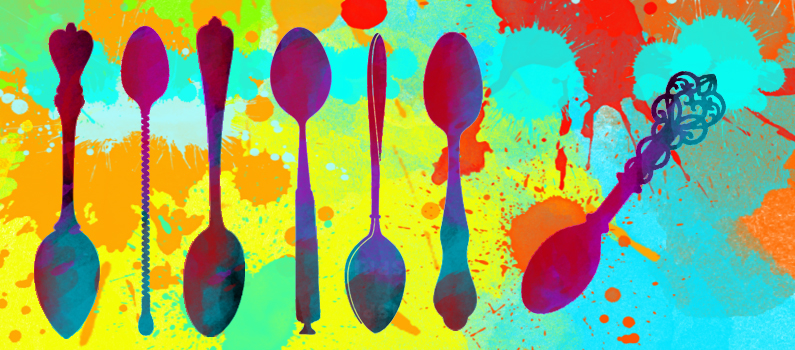
One helpful way of understanding this experience is through spoon theory.
Spoon theory is a simple way of explaining how people use and manage their energy.
Imagine that everyone starts the day with a limited number of spoons, and each spoon represents a unit of energy. Throughout the day, everyday activities use up spoons. For example:
Each of these activities requires energy. As the day goes on, the number of spoons gradually reduces.
For someone who finds certain environments or expectations particularly demanding, more spoons may be used up just to get through the day. Once the spoons are gone, the person has very little energy left to cope with additional demands.
Spoon theory is often used to help explain the experiences of neurodivergent individuals. This is because environments such as schools, workplaces, or busy social settings can require significant mental effort.
For example, a neurodivergent child may be:
On top of this, many children and young people spend the day masking.
Masking is when someone works hard to hide their differences to fit in or meet expectations. While this can help them get through the school day, it also uses a large amount of energy.
By the time they get home, their spoons may already be gone.
Parents might say:
“My child seems fine at school, but everything falls apart when they get home.”
When we look at this through the lens of spoon theory, it starts to make more sense.
School may require a child to use many or all of their spoons just to keep going throughout the day. When they arrive home, the place where they feel safest and can drop their mask, their spoons may be used up and the tension and exhaustion they have been holding in all day may be released.
This can sometimes look like:
Although this can be difficult for families, it is a sign that the child finally feels safe enough to stop holding everything together.
Once we begin to understand spoon theory, we can shift the way we respond to difficult moments. Instead of asking:
“Why are they behaving like this?”
we might ask:
“How many spoons did today take?”
This shift can help parents, teachers, and professionals think about how to support children in ways that protect their energy throughout the day. For example, this might include:
Small adjustments can make a big difference in helping someone conserve their spoons.
Importantly, spoon theory is not just relevant for children. Many adults recognise this experience as well.
For example, imagine a workday filled with:
You may spend the whole day staying professional and focused. However, by the time you get home, your energy is completely depleted and you may, for example, experience irritability or the need for space.
Spoon theory helps explain why this happens and why some days feel much harder than others.
To explore this idea further, one of our therapists has created a short video explaining spoon theory and why it can be such a helpful way to understand energy, masking, and emotional overwhelm.
You can watch the video here.
Spoon theory reminds us that we all have limits to our energy. However, those limits can look very different for different people. By understanding how much effort it can take for someone to get through the day, we can respond with empathy, flexibility, and support. And sometimes, simply recognising that someone has run out of spoons can be the first step towards helping them feel understood.
Get in contact with a member of our team if you want to explore support options.
October 20, 2026
September 21, 2026
August 24, 2026
Get in contact with a member of our team for the right support