
August 24, 2026
National Writing Day encourages everyone to put pen to paper and discover the power of words. Organised by First Story, the day celebrates creative writing, self-expression, and storytelling for people of all ages.
To benefit from writing you don’t need perfect grammar and spelling, to be the next JK Rowling or even particularly creative. Writing can be used as a tool to process emotions and reduce stress.
Expressive writing may help process emotions and reduce anxiety, especially if writing feels like a natural and safe form of emotional expression. With all therapeutic tools, some may work for you and some may not. If you decide to give this a try, check in with yourself after to determine if this is beneficial for you.
When thoughts are not expressed, they can sometimes begin to feel overwhelming. Writing can help take anxieties from our minds and place them onto paper, reducing the energy and power they have.
Writing might help you to:
Making space for writing in our busy schedules can also provide us with uninterrupted time to reflect. You do not need to start crafting a novel: even writing for a short amount of time daily may help you feel calmer and more grounded.
One of the easiest ways to begin writing for wellbeing is through journaling. Some may prefer to write freely, jotting down whatever comes to mind. For others, it might help to start with some prompts. Some journals provide these, or you might prefer to create your own list of prompts to support you in your expression. Some ideas are:
You might choose to buy a notebook, use notes on your phone, or even scraps of paper.
Suppressing emotions can cause stress, low mood, anxiety and emotional fatigue. Writing is one way to express emotions and provide a healthy outlet for emotions.
Journalling after a difficult conversation or stressful day may help you:
National Writing Day encourages everyone to write, and writing for wellbeing is about expression. You do not need to be an author, journalist or poet, you do not need to be perfect or even ‘good’ at writing. Therapeutic writing could be messy, unfinished, raw and private. Try not to spend time analysing what you write: the process of writing can be enough! It is also important that you only share what you have written with people who will not judge and with whom you feel safe.
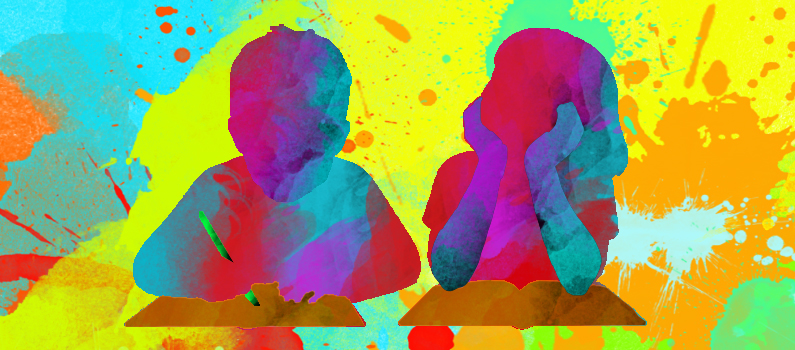
Writing can be valuable for children and young people who may find it difficult to share their emotions verbally. For some young people, putting thoughts onto paper can feel safer and less overwhelming than saying them out loud.
The process of writing can help children and young people organise their thoughts, process feelings, and better understand themselves. Writing, storytelling, poetry and journaling can help them to:
Families can support children and young people by:
If you would like to try writing you could:
In a busy world constantly demanding our attention writing offers us space. A space to think, process and heal.
Get in contact with a member of our team if you want to explore support options.
August 24, 2026

August 17, 2026
August 10, 2026
Get in contact with a member of our team for the right support